
Yacht Shows
25 September 2026 / 7 min
YachtAddress Editorial
By Patric Daccache, Founder of YachtAddress
How to Prepare a Yacht Listing for a Yacht Show
A show berth creates a few days of concentrated attention. The listing decides whether that attention turns into follow up or disappears with the business cards.
The short answer
A yacht show listing strategy decides what a buyer takes away from the show and where that interest goes afterwards. Before the show the material must be current; during it every contact needs a clear route to the responsible broker; after it follow-up must happen quickly. Show traffic is only useful if it is captured.
Key points
- Prepare current material and a dedicated show destination in advance.
- Give every printed item and QR code a route to the responsible broker.
- Distinguish show enquiries from general traffic.
- Follow up while the conversation is still fresh.
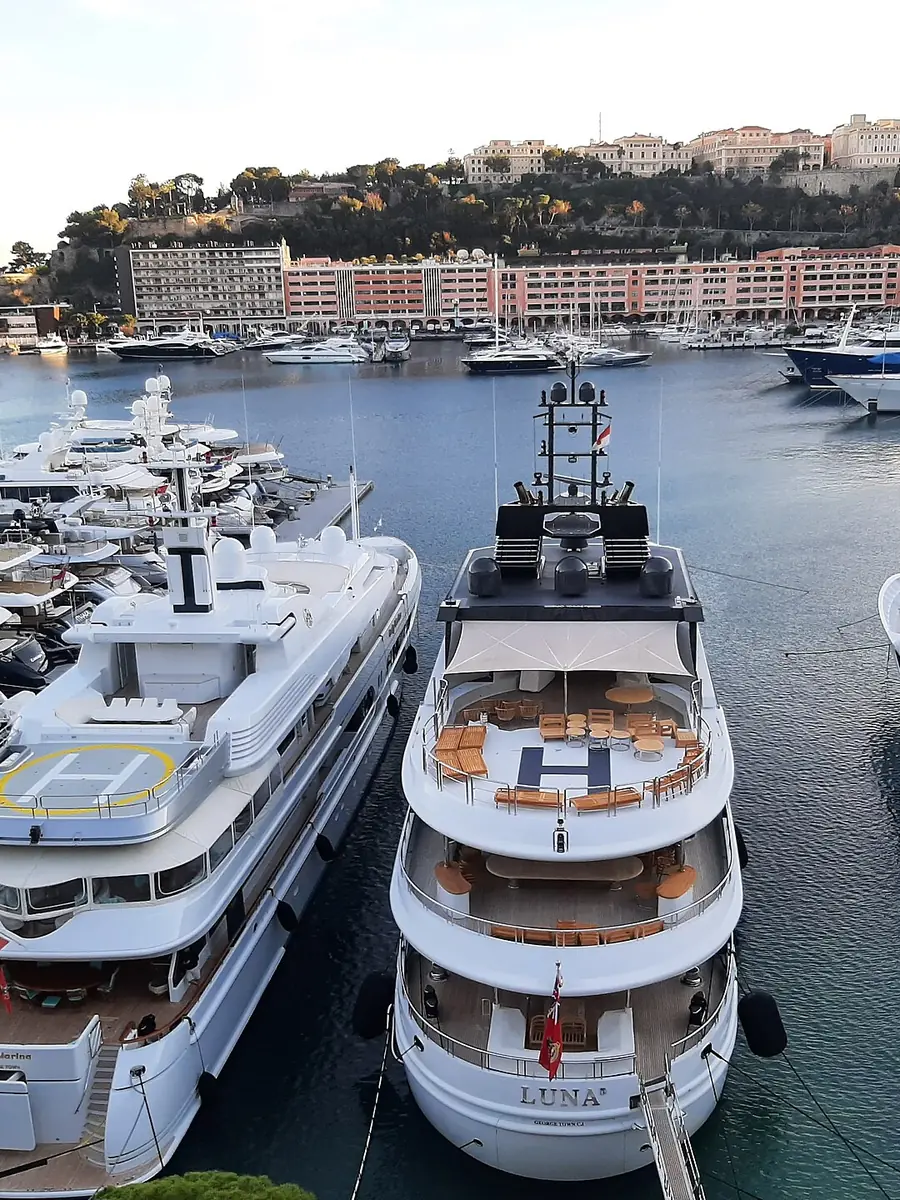
Yacht shows are expensive for everyone involved. The owner pays for the berth and preparation, the brokerage commits staff and time, and the yacht is presented to more qualified visitors in a few days than she might see in months. Yet many listings leave a show with a pile of cards, a handful of conversations and no clear way to follow up.
The difference usually lies in preparation. Here is how brokers can make the listing work before, during and after the event, whether the show is Monaco, Fort Lauderdale or the Dubai International Boat Show.
Before the show
Start by making sure the listing itself is current. Price, location, availability and broker contact should be right everywhere. Visitors will look the yacht up on their phones while walking the docks, and outdated information on a portal undermines an otherwise good viewing.
Decide what the show is for. For some yachts it is about introducing her to new buyers. For others it is a chance to reintroduce a listing that has been on the market for a while. That purpose shapes what is emphasised on board and online.
Prepare a show-specific destination: a page or section that reflects the show context, where she is berthed, viewing arrangements and who to contact on site. Pre-show emails to known buyers and co-brokers should point there, with a clear way to book a viewing.
QR codes that lead somewhere useful
A QR code at the passerelle or on printed material is only as good as where it leads. A generic brokerage homepage or a portal search wastes the moment. The code should open the yacht's own current listing on a phone, load quickly, and show the essentials first: key facts, the lead photographs, the general arrangement and the named broker.
Using a distinct link for the show also means visits can be attributed to it later, which matters when the owner asks what the show achieved.
The QR code is a promise that the conversation on the dock can continue on the buyer's phone.
During the show
Visitors ask the same questions. Having the answers easy to send, as a link rather than an attachment, helps the crew and brokers respond quickly. Documents such as the specification, general arrangement and refit summary should be available in a form that is easy to share on the spot.
Keep a simple record of meaningful conversations: who they were, which broker they came with, what they asked. This is far more useful afterwards than a stack of cards with no context.
After the show
Follow up within days, not weeks. A short personal message that refers to the conversation and links to the current listing is usually enough. Co-brokers who brought clients should get the same material to pass on.
Update the listing to remove show-specific details once the event is over, but keep the same link working so anything that was shared does not break. A buyer who scans a brochure weeks later should still land on the right yacht with the right information.
Attribution and reporting
Owners want to know whether the show was worth it. With a dedicated show link and source tracking in the brokerage's own analytics, the broker can report how many people visited the listing from the show, how many enquired, and how that compares to normal weeks. This turns an expensive event into something measurable rather than anecdotal.
Fitting it into the wider listing
A show is one event in a listing period that may last many months. The preparation is easiest when the yacht already has a maintained reference listing that can be adapted for the event and then returned to its normal state. We describe that kind of setup on yacht show marketing and, for a single yacht, on a dedicated marketing site for one yacht.
What a show changes operationally
A boat show compresses months of buyer attention into a few days. Brokers, representatives and buyers who would normally review a listing over several visits instead see the yacht once, in person, often between other appointments. Whatever the listing failed to explain beforehand has to be explained on the dock, and whatever the visitor learns on the dock has to be available afterwards when they compare notes with their captain or representative.
The show is therefore an operational project for the listing, not only a presence. It needs preparation of material, a way to capture interest on site, and a structured follow up that does not rely on business cards and memory.
What a broker should prepare
Confirm the sales argument and make sure the on board team, co-brokers and anyone staffing the stand can state it the same way. Update all listing material so the current figures and documents are what visitors find if they look the yacht up during the show. Prepare a short, specific set of documents for serious visitors rather than a heavy brochure. Decide how enquiries on site will be recorded and routed to the responsible broker.
A QR code on the yacht or stand should open a page about this yacht, with current information and a direct enquiry path, not a generic brokerage homepage. Our Boat Show Activation page describes that setup in more detail.
What owners should expect
Owners paying for show presence should expect a written plan: which visitors are being invited, what material will be available, how contacts will be recorded, and when they will receive a report. They should expect honest reporting afterwards on who visited and what was discussed, not only a count of visitors. A show is expensive, and the owner is entitled to know what it produced beyond footfall.
How the buyer journey changes around a show
Buyers often decide at a show whether a yacht deserves serious attention, but they rarely decide to buy there. The real decision happens in the following weeks, when they compare options, consult their team and ask follow up questions. If the yacht's information after the show is harder to find or less complete than it was on the dock, momentum is lost. The listing should get better after the show, reflecting the questions visitors asked.
What to measure and document
Record every serious contact with the date, source, representative and topics discussed. Note questions that came up repeatedly, because they point to gaps in the listing. Track which visitors returned to the yacht's page or requested documents afterwards. Compile this into a short report for the owner within a week of the show while details are fresh, and keep it inside the brokerage's CRM so the history stays with the mandate.
After the show
Follow up within days with material that answers what each visitor asked. Update the listing with anything learned on the dock. Brief co-brokers on the interest received so they can respond consistently. Then return the yacht to her normal Listing Management rhythm, with the show recorded as one moment in the listing history rather than the whole plan. For brokerages taking several yachts to the same show, For Brokerages explains how the setup can be shared.
Deciding whether a show is worth it
Not every yacht benefits from a show. The decision depends on where likely buyers for her size and type actually attend, where the yacht can be positioned on the dock, the cost of moving and preparing her, and whether her material is ready. A yacht with a weak listing gains little from a show, because visitors will look her up afterwards and find the same gaps. It is usually better to fix the listing first and treat the show as a moment that builds on it.